
Are you dreaming of making Thailand your new home? With approximately 3.6 million migrants residing in Thailand as of 2022, accounting for 5.2% of the total population, relocating to this beautiful country is gaining popularity among expatriates.
If you find yourself pondering the question, “Should I relocate to Thailand?” then let this guide be your guiding light. Delve into the world of job-hunting, finding the perfect place to live, and unraveling the intricacies of daily life as an expat in Thailand. Embrace the journey of discovery and adventure in the Land of Smiles!
Expat Jobs in Thailand: 13 Different Roles for Foreigners
Thailand’s allure as a place to settle down is irresistible, prompting many to consider making the move before retirement. While the prospect is exciting, it’s important to note that working in Thailand as an expat comes with regulations. Securing a work permit and the right visa is essential, and it’s crucial to be aware of the government-imposed limitations on the employment options for foreigners.
Table of Contents
- English Teaching Jobs in Thailand
- Getting a Tech Job in Thailand
- Working in the Tourism Industry
- Working For Multinational Companies
- Jobs in Customer Service
- Working For NGOs
- Embassy/Consulate Staff
- Have Your Own Business
- Freelance Writer
- Advice on Working in Thailand
- Where to Find Jobs for Foreigners in Thailand?

So, when you’re browsing through job listings and you come across ones that specify “Thai national”, it’s not because the employer is discriminatory. It’s simply due to the legal requirements for work permits that won’t be met by that position.
In Thailand, jobs that require native-level foreign language ability, such as English teaching, are the most readily available to expats. However, there’s actually a wide range of expat jobs out there if you know where to look!
Let’s explore all the different avenues of employment open to foreigners, and I’ll provide you with some valuable links and tips for landing these positions.
But there’s one important thing to keep in mind when job hunting in Thailand: discrimination based on age and gender is not illegal and is actually very common. You’ll often come across job listings with requirements like “woman under 30” or “male 25+”.
At times, you’ll encounter extremely specific requirements such as “master’s degree and 5 years’ experience, but must be under 30 years old,” and you can’t help but wonder how they expect to find suitable candidates.
Since you can’t change this situation, it’s best to simply disregard job listings where you don’t fit their very specific requirements. Otherwise, it’s just a waste of your time.
English Teaching Jobs in Thailand
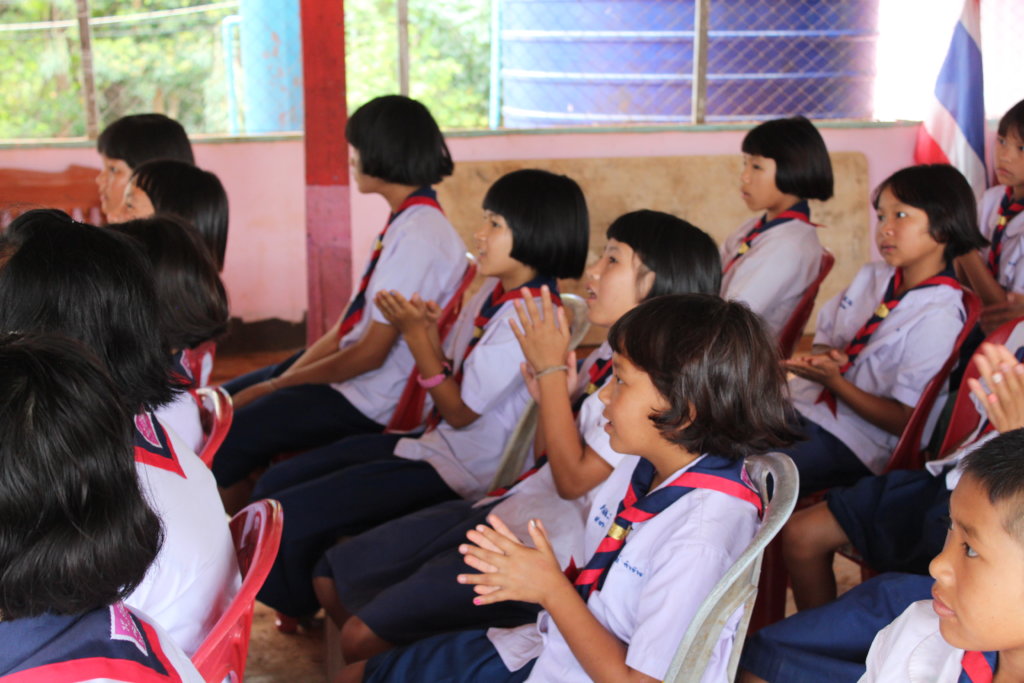
Passionately dedicated to welcoming expats from western countries, the bustling job market in Thailand beckons with an abundance of opportunities in English teaching. From elementary schools to universities, institutions are actively seeking native-speaking English educators to inspire and guide their students.
But the excitement doesn’t end there. International schools and private institutions with English immersion programs are eagerly searching for passionate educators to lead the way in subjects like Math and Science, taught in the universal language of English.
Earnings Per Month and Working Hours for Teachers
You won’t strike it rich as an English teacher in Thailand, but the rewards go beyond money. Starting salaries can vary from 25,000 to 50,000 baht per month for full-time positions, while educators at international schools with a B.Ed. and extensive teaching experience can earn significantly more.
Many teachers supplement their income by offering private tutoring to students on the side, and some schools even support after-school tutoring at an hourly rate. Unless you are employed by an international school, taking on private tutoring is often necessary to earn a substantial income in Bangkok.
Although your actual teaching hours might be 20-25 per week, most schools expect teachers to be on campus for a full 40 hours, allowing time for preparation and other activities like attending the morning assembly. Embrace the opportunity to make a difference and inspire through teaching in this vibrant setting.
Teaching Job Requirements
To become a teacher in Thailand, you will need to secure a teacher’s license, work permit, and non-immigrant “B” visa. If the school you’re joining is competent, they will handle this process for you. Your part involves providing the required documents, signing where necessary, and making a visa run to a Thai embassy or consulate in a neighboring country when it’s time to obtain the visa.
Typically, a Bachelor’s Degree from a 4-year university is the minimum requirement for teaching English in Thailand. It doesn’t have to be in Education or English, although holding a B.Ed. or possessing a recognized TEFL certificate can be advantageous. Bringing your original university diploma and transcripts is essential. Additionally, an increasing number of schools now request a criminal background check from your home country, reflecting a positive trend in protecting children from individuals with ill intentions.
While these steps may seem like a minor inconvenience, they reflect a crucial shift in prioritizing the safety and well-being of students. By weeding out individuals with malicious intent, the image of foreign teachers in Thailand can be elevated, creating a more positive environment for both educators and students alike.
TEFL Certification
Thailand beckons aspiring educators from around the globe, offering a gateway to obtaining a TEFL (Teaching English as a Foreign Language) certification. Within bustling cities like Bangkok, coastal havens such as Phuket, and the cultural charm of Chiang Mai, accredited 4-week, 120-hour TEFL courses await.
Enthusiastic promises of job placement support accompany these courses, igniting the dreams of young graduates eager to immerse themselves in a foreign land while sharing their knowledge. Many envision a compelling journey: scrimping and saving, venturing to Thailand for intensive TEFL training, and embarking on a teaching career shortly thereafter.
Job Hunting Tips
When it comes to applying for teaching positions in Thailand, your appearance plays a crucial role. For men, it’s essential to exude professionalism by wearing a sharp tie, long-sleeved shirt, trousers, and proper footwear, as this mirrors the expected work attire.
Professional women in the teaching field in Thailand should opt for a smart and modest ensemble, such as a button-up top with sleeves, a knee-length skirt, and closed-toe shoes. As educators are esteemed as role models in society, it’s paramount to embody the expected decorum both in appearance and conduct.
While the majority of teaching opportunities are concentrated in the vibrant metropolitan hub of Bangkok, they can also be found in various cities across the country. Delve into the world of teaching in Thailand and explore job opportunities with the invaluable resources available at Ajarn.com.
In addition to English language positions, there is a growing demand for native speakers of Chinese, Japanese, Korean, German, and other languages. The rise in Chinese programs within schools has led to an increased need for proficient Chinese educators. Moreover, individuals proficient in Chinese have abundant opportunities for private tutoring, especially due to the significant interactions between Thai professionals in the tourism sector and Chinese speakers. Embrace the exciting prospects that await potential educators in Thailand!
Getting a Tech Job in Thailand
There are incredible opportunities awaiting expats in the tech industry. If you’re looking to make a mark in the tech world, Thailand has a lot to offer. The vibrant hub of Bangkok is where you’ll find most of the exciting IT jobs in the country. Keep a close eye on LinkedIn for the latest job openings – it’s a treasure trove of opportunities.
In this dynamic field, skills in Android and iOS app development, PHP backend development, and both backend and front-end web development with JavaScript are highly sought after. Thailand’s tech scene is buzzing, and now is the time to dive in and be part of this amazing journey!

Working as a senior software or web developer in Bangkok can be incredibly rewarding, with the potential to earn as much as 100,000 baht per month. This is a fantastic opportunity by Thai standards, and while it may not compare to salaries in the US or UK, the flexibility to work remotely is a huge bonus.
For programmers and software developers seeking an enriching experience in Thailand, Iglu offers the perfect blend of opportunities and stability. With the chance to obtain a work permit, a year-long visa, subsidized government healthcare, and a favorable tax situation, professionals can truly thrive in this vibrant environment.
Whether you have a relevant degree and 2 years of experience, or a solid 5 years in your field, Iglu could be the gateway to an exciting new chapter in your career.
Working in the Tourism Industry
Thailand’s thriving tourism sector forms a vital pillar of its economy, offering a myriad of opportunities. While certain roles, like tour guides, are exclusively available to Thai nationals, the realm of high-end hotels beckons foreigners with open arms.
Specifically, individuals boasting expertise in Hotel Management and talented chefs are highly sought after. Explore a wealth of these enticing positions on ThaiHotelJob.com and unlock your gateway to an exciting career in Thailand’s hospitality industry.
Hotel Manager
If you possess the required educational qualifications and a wealth of experience in hotel management, the vibrant city of Bangkok is calling your name. The allure of prestigious 5-star resorts in Phuket, Samui, and other coastal paradises might just ignite your passion for hospitality even further.
Chef

Head Chef is another position that foreigners often fill at Bangkok’s finest hotels and restaurants. You will probably need about 5 years of experience to be seriously considered for one of these positions.
Diving Instructor
If you hold a PADI (Professional Association of Diving Instructors) certification, Thailand offers an exciting array of opportunities for aspiring diving instructors. The pivotal qualification required to pursue a career as a scuba diving instructor is the PADI IDC (Instructor Development Course), unlocking a world of underwater adventure and teaching prospects.
The potential earnings as a diving instructor are influenced by the geographic location and the prevailing season. While Koh Phi Phi promises higher pay, the cost of living there is steeper compared to Phuket. It’s essential to consider the seasonal fluctuations, with a low season from May to October translating to fewer customers and employment prospects. Those with adept sales skills can leverage commissions to boost their income. In diverse locations and seasons, an enthusiastic instructor could potentially earn anywhere from 30,000 to 80,000 baht per month.
The industry also seeks diving instructors with multilingual abilities. Proficiency in languages such as German, French, Russian, or Mandarin can facilitate easier job acquisition and command higher wages.
It’s important to note that some diving instructors take the risk of working without a proper work permit, often relying on tourist visas. While some experienced instructors may find sponsorship for a work permit and visa with dive shops, the seasonal nature of the job complicates matters for many. Legal pathways to working as an instructor typically involve setting up a Thai limited company through a lawyer to obtain a work permit. The dynamic nature of regulations means that while working without a permit might be overlooked on smaller islands, on Phuket, a work permit is typically indispensable.
Ultimately, obtaining a work permit is the preferable route, illustrating a commitment to ethical and legal employment in this thrilling profession.

When seeking employment at dive centers in Thailand, it’s crucial to demonstrate your commitment and initiative. Merely sending out mass emails is unlikely to yield favorable results. Instead, consider visiting the dive shop in person with your CV and engaging in a face-to-face discussion with the manager.
Given the prevalence of divers from the all-night party scene, it’s essential to set yourself apart as a responsible individual. Present yourself professionally, and endeavor to conceal any visible tattoos. Your potential employer may be hesitant to hire someone with a party-centric lifestyle, so it’s important to convey a sense of responsibility and reliability.
Initially, you may only be offered freelance opportunities. However, by consistently demonstrating your dependability and dedication, you can pave the way for more substantial career prospects in the future.
Working For Multinational Companies
If your heart longs for a new adventure, working for a large multinational corporation with a division in Bangkok could be your golden ticket! Picture this: you could request a transfer to the beautiful land of Thailand, where your salary would match what you currently earn. The cherry on top? The cost of living in Thailand is delightfully lower, allowing you to stretch your income further while relishing every moment in this captivating country.
But wait, there’s more! Even if you’re not currently employed by a multinational corporation, don’t lose hope. With the right education and experience, you can still pursue job opportunities based in Thailand. Embrace the possibility of a fulfilling career and an enchanting lifestyle in the Land of Smiles.
Finance Manager
One position often available at big companies in Bangkok is Finance and Accounting Manager. Have strong accounting skills and experience is a must to take a shot at one of these jobs. You will be rewarded with a salary that makes extremely comfortable to live in Thailand if successful.
Engineer
Thailand is home to numerous prestigious corporations that occasionally offer job vacancies for experienced Electrical Engineers or Mechanical Engineers. These roles are typically geared towards seasoned professionals rather than entry-level candidates.
For a Thai company, the decision to recruit a foreign engineer hinges on the unique expertise and experience the candidate brings to the table. Therefore, the pursuit of engineering positions in Thailand is highly rewarding for seasoned engineers seeking fresh opportunities and a new chapter in their professional journey.
Translator/Interpreter
Unlocking New Opportunities in Translation and Interpretation
Are you ready to embark on an exhilarating journey into the world of translation and interpretation? Picture yourself as the vital link between Japanese firms and their manufacturing plants in Thailand. Imagine the thrill of effortlessly bridging the gap between two distinct cultures through your linguistic prowess.
In Thailand, a multitude of Japanese companies eagerly seek interpreters fluent in both Thai and Japanese. While the majority of these roles are filled by locals with extensive language training, if you possess proficiency in Thai and another sought-after language, you hold the key to a world of captivating opportunities in interpretation. Embrace the challenge and seek out the path to becoming a sought-after interpreter – your journey begins here.
Jobs in Customer Service
If you are fluent in the right language, an exciting array of opportunities awaits you in the fields of customer service and marketing. Whether it’s engaging with customers at a call-center or freelancing, your skills are in high demand. A range of European languages, including German, Italian, Dutch, Norwegian, Greek, Belgian, and Polish, are sought after. Additionally, native speakers of Asian languages such as Chinese, Japanese, and Korean are highly valued in this line of work.
While the compensation for call-center roles may not be exceptionally high, the potential for gaining valuable experience is significant. It’s important to note that working hours may vary, and you could be required to be available during nighttime hours to align with customer time zones.
Dealing with frustrated customers over the phone on a regular basis can be challenging, but the rewards of such work can be substantial. Many of these roles provide valid work permits and visas for individuals to stay in Thailand. If you possess the right temperament and language skills, this could be an exciting avenue to explore.

Working For NGOs
US citizens passionate about making a difference in Thailand through Non-Government Organizations have a multitude of opportunities waiting for them! Thailand hosts numerous active NGOs, predominantly situated in Bangkok and Chiang Mai. These roles are typically temporary, funded for a specific number of years.
Experience requirements for these positions are quite specific, often demanding several years of prior Development Aid work. Proficiency in the Thai language can significantly boost your chances of securing an NGO role.
For those eager to break into this rewarding line of work, a great starting point is USAid. Gaining experience in Developmental Aid work will pave the way for stronger credentials and open up opportunities for specific positions within NGOs, not only in Thailand but also in other countries. Stay updated on current Development Aid positions in Thailand through the job listings on Devex.com.
Embassy/Consulate Staff
Foreign nations hire a diverse workforce at their embassies and consulates in Thailand. The best way to secure one of these sought-after positions is to reach out to your own embassy for details on job opportunities.
For US citizens, don’t miss out on the exciting opportunities listed on USAJobs.gov. This platform features government job openings not only in the US, but across the globe, including Thailand. The user-friendly search function allows you to easily locate available positions in Thailand.
These positions typically offer competitive salaries, especially when compared to Thai standards. While experience and skills are essential, it’s always worth exploring potential openings in your field. If you’re feeling uninspired in your current role and long for an exciting change, why not take a leap and see what’s out there?
Have Your Own Business
Many dreamers have set their sights on Thailand, only to end up losing a fortune when they impulsively purchased a beer bar or restaurant in the hopes of prolonging their stay. But let’s face it: running a business in Thailand is no walk in the park. It’s crucial to approach such ventures with caution and a clear understanding of what you’re getting into.
Nevertheless, for those with a little extra capital stashed away, owning a Thai company could be the golden ticket to securing a work permit and a long-term visa. The catch? You’ll need to have at least four Thai employees to qualify for a work permit if you’re the foreign owner.
Another vital point to bear in mind is that as a foreigner, your ownership in the company is capped at 49%. This means you’ll have to come to terms with Thai shareholders to make it work.
If you’re unwavering in your determination to acquire an existing small business in Thailand, a hidden gem may be awaiting your discovery at Sunbelt Asia.
Freelance Writer

Freelance writing is an incredibly versatile profession that offers the freedom to work from any corner of the world. The demand for skilled article writers is soaring, as website owners eagerly seek top-notch content to captivate audiences through Google searches.
Compensation for freelance writing usually hinges on word count, and while the payment per article may not be exorbitant, this is largely due to the influx of writers from regions like India, Pakistan, and the Philippines who are willing to work for considerably lower rates.
Notwithstanding, numerous clients place great emphasis on the quality of writing and are willing to pay premium rates for native English-speaking writers from countries such as the US, UK, Canada, Australia, and New Zealand. Quick writing prowess is an invaluable asset, as the ability to produce a high volume of articles per hour significantly enhances earning potential.
Moreover, the capacity to write coherently, with impeccable grammar, an engaging style, and minimal spelling errors is paramount. Adhering meticulously to the client’s guidelines is also essential, as they likely have specific Search Engine Optimization (SEO) objectives for the content, which must be met to achieve their goals.
Passion for writing can open up new possibilities and opportunities, and there are platforms like HireWriters and UpWork.com that offer a wealth of freelance writing work. If you’re searching for writing opportunities specific to Thailand, exploring platforms like Craigslist Thailand might unearth some global remote jobs.
While the idea of making a living through a travel blog is appealing, it’s crucial to recognize the challenges involved. Building a dedicated audience across social media and email subscriptions is a prerequisite for generating substantial income from a blog.
It’s essential to acknowledge that obtaining a work permit for writing in Thailand can be challenging, unless you secure steady full-time work with a news agency or magazine. Despite the obstacles, the passion for writing can lead to unexpected and rewarding opportunities.
Advice on Working in Thailand
Teaching English in Thailand may seem like the perfect opportunity for foreigners to experience a fulfilling life abroad. While this may hold true, it’s essential to approach this path with fervor and caution, especially for those with advanced qualifications and a genuine passion for teaching.
Thailand offers a wonderful quality of life, yet it’s crucial for recent graduates to avoid falling into a routine that leaves them feeling complacent.
The monthly salaries for English teachers in government schools have remained stagnant, hovering around 30-35k THB for the past two decades, despite the increasing cost of living. While these salaries can sustain a comfortable daily life, they often do not allow for substantial savings or investments in the future.
Many dedicated educators who originally intended to teach in Thailand for a year or two discovered a deep passion for their work, leading them to extend their stay indefinitely. As a result, they now face the challenge of transitioning to other career paths without recent relevant experience. In Thailand, long-term foreign teachers can be broadly classified into two categories.
- Educators with an unyielding passion at international schools, earning a handsome income
- Worn-out and jaded classroom teachers, living for the weekend, and just shuffling through life
So if you’re heading to Thailand eager to teach for work, strive to belong to the first group. Otherwise, come prepared with a clear plan to transition to another profession after a maximum of 2 years of teaching, allowing yourself to dive into the country’s vibrant opportunities.
Where to Find Jobs for Foreigners in Thailand?
Here is an exciting compilation of fantastic online resources where you can explore enticing expat job opportunities in Thailand, across diverse fields.
 Phuket night life - sin city